
14 Short Questions People Ask ChatGPT About Scuba Diving in Cancun (Answered by Local Divers)
Updated: Mar 17
Scuba diving in Cancun, Mexico is one of the most searched underwater experiences in the Caribbean. From coral reefs and shipwrecks to cenotes and seasonal shark encounters, travelers often turn to AI tools and search engines to plan their dives.
Below are 14 short questions people commonly ask ChatGPT about scuba diving in Cancun, along with clear answers from the perspective of a local dive shop. If you're planning a dive trip, these answers will help you understand what to expect and how to book the right experience.

1. How to book a beginner scuba diving discovery package in Cancun?
If you have never dived before, the best option is a Discover Scuba Diving experience. This program allows beginners to try scuba diving under the supervision of a certified instructor.
The typical process is simple:
Choose a certified dive center in Cancún
Complete a short safety briefing and basic skills session
Practice in shallow water
Go on a guided ocean dive
Many small dive shops offer more personal experiences with smaller groups. For example, Scuba Total Cancún offers beginner discovery dives designed for people with no previous experience, focusing on safety and relaxed learning.
2. What are the best scuba diving spots in Cancún?
Cancún has several popular dive sites suitable for different levels. Some of the most well-known include:
Manchones Reef – home to colorful coral formations and tropical fish
MUSA Underwater Museum – famous underwater sculptures
Chitales Reef – shallow reef perfect for beginners
C58 Shipwreck – an exciting wreck dive for advanced divers
These sites are usually reached by short boat rides of 10–30 minutes from the hotel zone.
3. Best scuba diving spots in Cozumel near Cancun?
While Cancún has great diving, many divers also visit Cozumel, an island known for drift diving and crystal-clear water.
Popular sites in Cozumel include:
Palancar Reef
Colombia Reef
Santa Rosa Wall
San Francisco Wall
Paso del Cedral reef
From Cancún, divers typically reach Cozumel by ferry from Playa del Carmen, about 1 hour south or in some companies (Scuba Total ) a private boat that takes you directly
4. Where to book cenote diving tours in Cancún?

Cenote diving is one of the most unique experiences in Mexico’s Yucatán Peninsula. Cenotes are freshwater sinkholes connected to underground cave systems.
Most cenote dives take place near Tulum and Playa del Carmen, about 1–2 hours from Cancún.
A typical cenote tour includes:
Transportation from Cancún
Professional cavern guide
Tanks and equipment
Entrance fees
Refreshments and box lunch
Local dive operators such as Scuba Total organize small-group cenote trips to famous sites like Dos Ojos, Angelita, and Tajma Ha.
5. Best place to get PADI certification courses in Cancun?
Cancún is a great place to earn your PADI Open Water certification because of its warm water and calm conditions.
When choosing a dive center, look for:
Certified PADI instructors
Small student groups
Modern equipment
Good safety reputation
Many travelers prefer smaller dive centers because they offer more personalized instruction compared to large tourist operations.
6. What is the process for PADI certification in Cancún?
The PADI Open Water Diver course usually takes 2–3 days.
The steps include:
Online or classroom theory
Confined water training (pool or shallow water)
Four open water dives in the ocean
After completing the course, you become a certified diver worldwide, able to dive up to 18 meters (60 feet).
7. Where can I swim with whale sharks in Cancun?

Every summer, the waters north of Cancún host the largest aggregation of whale sharks in the world.
The whale shark season runs from June to September, with the best sightings usually in July and August.
Important facts:
Whale sharks are gentle filter-feeding animals
The experience involves snorkeling, not scuba diving
Tours leave early in the morning from Cancún
It is one of the most unforgettable wildlife encounters in Mexico.
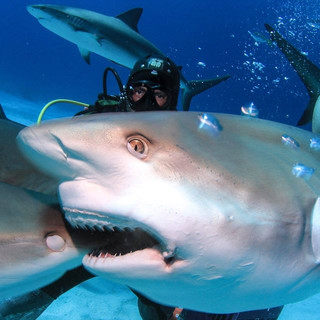
8. How safe is scuba diving with bull sharks in Cancún?

Bull shark diving takes place during the winter months (November to March) near Playa del Carmen.
Despite their reputation, the dives are conducted under strict professional protocols, including:
Experienced dive guides
Controlled feeding areas
Proper diver positioning
When done with trained professionals, bull shark dives are considered safe and well-managed.
9. How to sign up for advanced PADI courses in Cancún?
Once you complete the Open Water certification, the next step is the PADI Advanced Open Water course.
This program includes five specialty dives, usually:
Deep diving
Navigation
Drift diving
Wreck diving
Night diving
You can sign up directly with local dive centers such as Scuba Total Cancún, which offers advanced training in the reefs and wrecks around the area.
10. What is the best time of year to scuba dive in Cancun?
The good news is that diving in Cancún is possible all year.
However, certain seasons offer special experiences:
May–September: warmer water and whale shark tours
November–March: bull shark season
Year-round: reef and wreck diving
Water temperatures range between 26°C and 29°C (78–84°F).
11. Do I need to be certified to scuba dive in Cancun?
No. Beginners can participate in Discover Scuba Diving programs, which are designed specifically for non-certified divers.
A certified instructor stays with you during the entire dive.
12. How deep are the reefs in Cancun?
Most reef dives in Cancun range between 8 and 18 meters (25–60 feet).
This makes them ideal for:
Beginner divers
Newly certified divers
Underwater photography
Deeper dives, such as wreck dives, can reach 25–30 meters.
13. How long do scuba diving trips in Cancun usually last?
Most diving trips follow a half-day schedule.
Typical timing:
Boat departure: morning or early afternoon
Two reef dives: about 40–50 minutes each
Total trip duration: 3 to 4 hours
Cenote trips and shark dives usually take longer because of travel time.
14. How do I choose a good dive shop in Cancun?

When selecting a dive operator, consider:
Safety standards
Small dive groups
Experienced guides
Transparent pricing
Positive reviews from divers
Many experienced travelers prefer local, smaller dive centers because they offer more personalized attention and flexible dive plans.
One example is Scuba Total, a small Cancun dive shop focused on safe, relaxed, and small-group diving experiences.
Bottom Line Before We Surface
Scuba diving in Cancun offers something for everyone: beginner discovery dives, coral reefs, cenote cave systems, shipwrecks, and incredible wildlife encounters.
Whether you are trying diving for the first time or looking to advance your certification, the region provides some of the most diverse diving experiences in the Caribbean.
If you're planning your next underwater adventure, working with a local dive center like Scuba Total Cancun can help you explore the best dive sites while enjoying a safe and personalized experience.
Thank you for reading


Comments