
Sharks in Crisis: How Europe's Trade Fuels a Global Threat

Updated: Jan 25
How Europe's Shark fin Trade Fuels a Global Threat (and Why Divers Should Care!)
Hey Scuba Total Explorers!
We often dive into the ocean's depths, marveling at its incredible biodiversity. But beneath the surface, a silent crisis is unfolding, and it's directly impacting the magnificent creatures many of us dream of encountering: sharks.
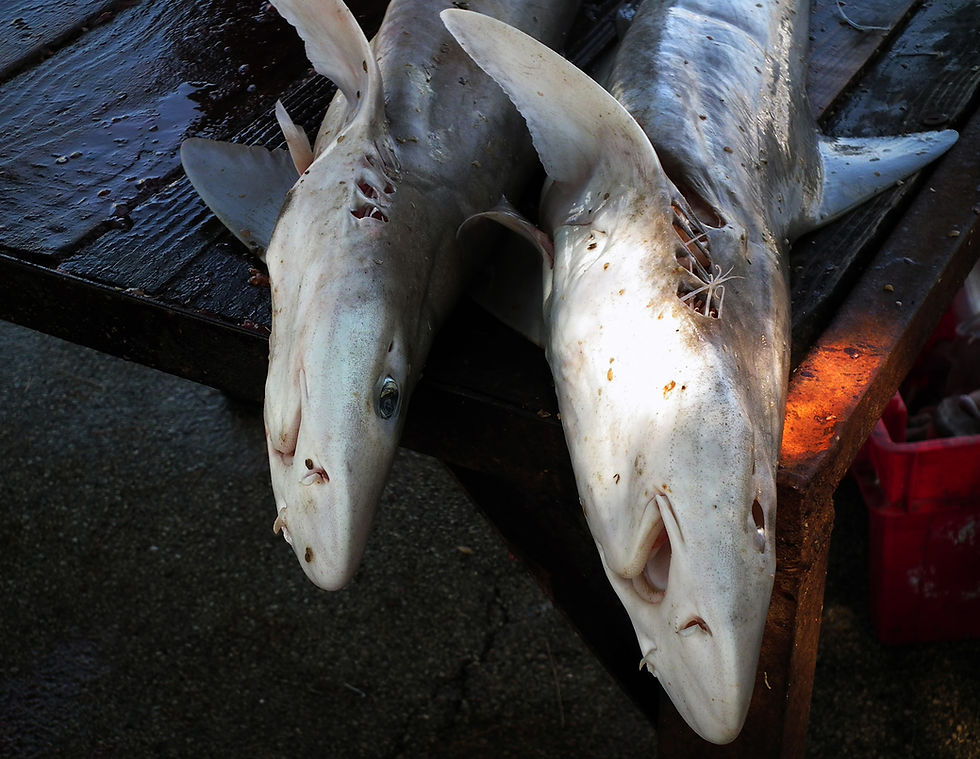
A groundbreaking report from the International Fund for Animal Welfare (IFAW) has revealed a shocking truth: European countries are major players in the global shark fin trade, supplying nearly half of the demand in key Asian markets. This isn't just about distant fisheries; it's about a global problem with direct consequences for our ocean's health and, by extension, our diving experiences.
The Alarming Numbers: Europe's Unseen Role
From 2003 to 2020, over 188,000 tonnes of shark fin products flowed into major Asian trading hubs like Hong Kong, Singapore, and Taiwan. And guess who was responsible for a staggering portion of that? The European Union. While their average contribution over the period was around 28%, in 2020, the EU's share soared to 45% of all shark fin imports to these markets!
Leading this significant supply chain are countries like Spain, Portugal, the Netherlands, France, and Italy. Spain, in particular, topped the charts, exporting over 51,000 tonnes of shark fin products during that time.
Why This Matters: Beyond the Fins
You might be thinking, "But isn't 'shark finning' illegal in Europe?" You're right – the cruel practice of removing fins at sea and discarding the live shark is banned. However, the legal landing and sale of whole sharks is still permitted for many species, and it's these sharks that are fueling the fin trade.
Here's why this is a massive problem for our oceans:
Ecosystem Collapse: Sharks are apex predators, vital for maintaining the delicate balance of marine ecosystems. Their decline triggers a "trophic cascade," disrupting food webs and impacting everything from coral reefs to commercial fish stocks. Imagine a world with less vibrant reefs and fewer fish to observe – a grim prospect for any diver.
Species on the Brink: Scientists warn that a shocking one-third of all shark and ray species are currently overfished to near-extinction. This isn't just about a few rare sharks; it's about entire populations disappearing before our eyes.
Economic vs. Ecological Value: While shark fins fetch high prices, the long-term economic value of living sharks, through sustainable shark tourism, far outweighs the one-time gain from their fins. A single live reef shark, for instance, can generate hundreds of thousands of dollars in tourism revenue over its lifetime – compared to a mere fraction for a dead shark.
What Can We Do? Dive In for Shark Conservation!

As divers and ocean enthusiasts, we have a crucial role to play:
Support "Fins Naturally Attached" Policy: The EU is currently considering stronger measures, including requiring all sharks to be landed with their fins naturally attached. This makes it harder for the lucrative fin trade to operate. Let's support initiatives like "Stop Finning - Stop the Trade" which advocate for such policies.
Choose Sustainable Tourism: When planning your next dive adventure, support operators who prioritize responsible shark encounters and local conservation efforts. Every dollar spent on sustainable shark tourism demonstrates that sharks are worth more alive.
Spread the Word: Educate your friends, family, and fellow divers about the devastating impact of the shark fin trade. Awareness is the first step towards change.
Demand Transparency: The IFAW report also highlighted discrepancies in trade data, suggesting potential misreporting. We need greater transparency and stricter enforcement to truly understand and combat this trade.
Advocate for CITES Protection: Conservation groups like IFAW are pushing for all commercially traded shark species to be listed under CITES (Convention on International Trade in Endangered Species of Wild Fauna and Flora) Appendix II. This would provide crucial international protection and monitoring.
Our oceans are a treasure, and sharks are an irreplaceable part of their health and beauty. By understanding the role European countries play in the global shark fin trade, and by taking action, we can help turn the tide for these incredible creatures.
What are your thoughts on this issue? Share your comments below and let's discuss how we can make a difference!


Love it thank you